DINOSAUR GROUPS

Hadrosauridae

8 field notes in this family: Corythosaurus, Edmontosaurus, Hadrosaurus, Lambeosaurus, Maiasaura, Parasaurolophus, Saurolophus and Shantungosaurus.

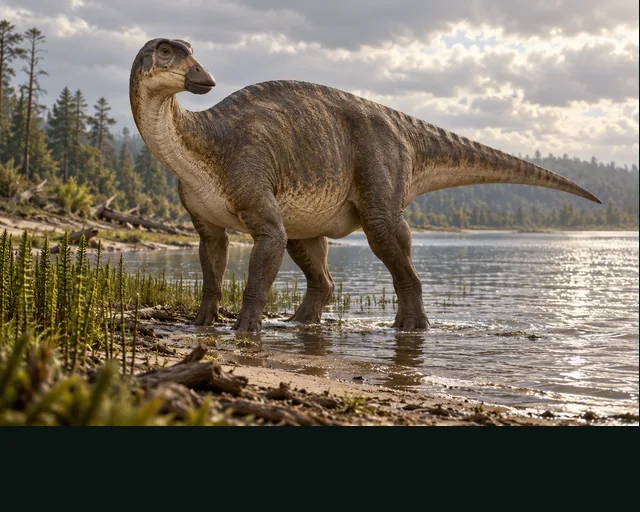
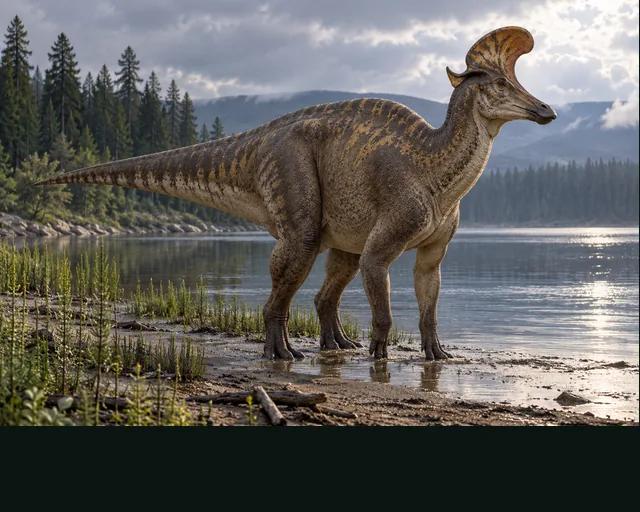
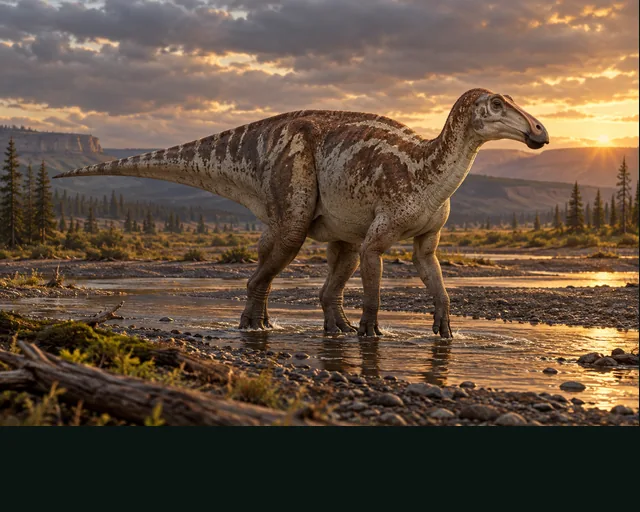
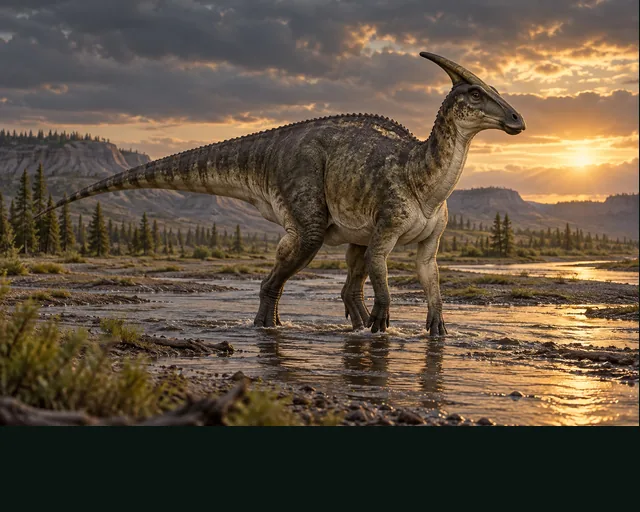
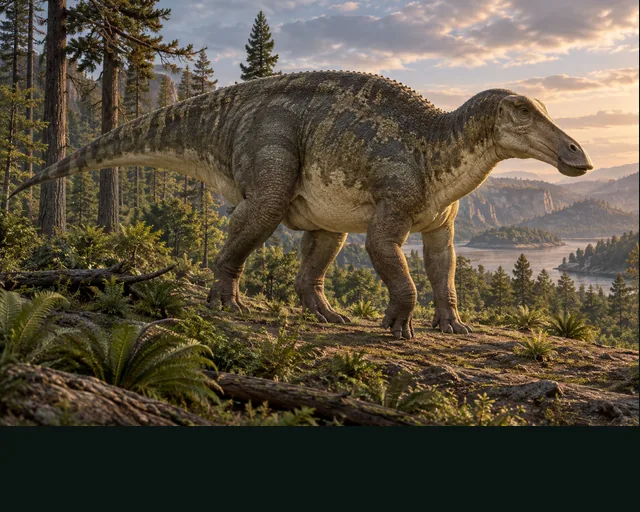
ARTISTIC RECONSTRUCTION

What is Hadrosauridae?

Hadrosauridae, the duck-billed dinosaurs, were abundant Late Cretaceous plant-eaters with broad beaks and dense batteries of grinding teeth. Fossils are known from North America, Asia and Europe. The family splits into lambeosaurines, which have hollow crests, and saurolophines, which have solid crests or none.

Because hadrosaurid bones and skulls are common, they are among the best understood dinosaurs for growth, herd-related bone beds and nesting evidence in some members. Details such as the exact use of crests as display or sound structures are still interpretations.

How this group is defined here

Members are the 8 field notes whose family or immediate parent group in the Paleobiology Database catalogue is Hadrosauridae. The interpreted diet field across the group is herbivore, based on skeletal features rather than direct observation. Groups are revised when new fossils are described, and some genera are placed here with less certainty than others, so each field note records its sources and limits.
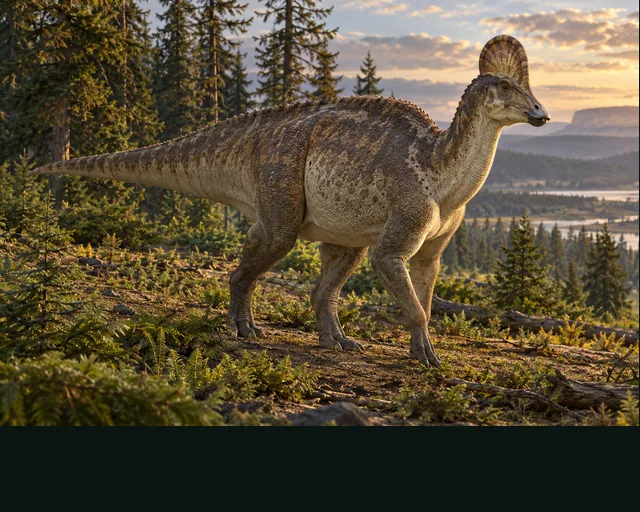
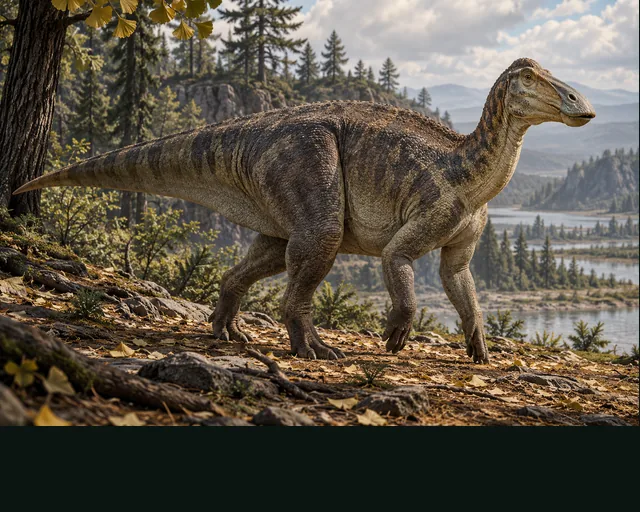
Hadrosauridae members

Hadrosauridae member comparison
GenusPeriodFossil locationsCategory
CorythosaurusCretaceousNorth Americadinosaur
EdmontosaurusCretaceousNorth Americadinosaur
HadrosaurusCretaceousNorth Americadinosaur
LambeosaurusCretaceousNorth Americadinosaur
MaiasauraCretaceousSee field notedinosaur
ParasaurolophusCretaceousNorth Americadinosaur
SaurolophusCretaceousAsia, North Americadinosaur
ShantungosaurusCretaceousAsiadinosaur

Quick answers about Hadrosauridae

Is Corythosaurus a hadrosaurid?
Yes. In this catalogue Corythosaurus is placed in Hadrosauridae, with Corythosaurini as its immediate parent group, and its fossils are from the Cretaceous period. Classification changes as new fossils are described, so the field note lists the sources and any disagreement.
Is Edmontosaurus a hadrosaurid?
Yes. In this catalogue Edmontosaurus is placed in Hadrosauridae, with Edmontosaurini as its immediate parent group, and its fossils are from the Cretaceous period. Classification changes as new fossils are described, so the field note lists the sources and any disagreement.
Is Hadrosaurus a hadrosaurid?
Yes. In this catalogue Hadrosaurus is placed in Hadrosauridae, with Brachylophosaurini as its immediate parent group, and its fossils are from the Cretaceous period. Classification changes as new fossils are described, so the field note lists the sources and any disagreement.
Is Lambeosaurus a hadrosaurid?
Yes. In this catalogue Lambeosaurus is placed in Hadrosauridae, with Corythosaurini as its immediate parent group, and its fossils are from the Cretaceous period. Classification changes as new fossils are described, so the field note lists the sources and any disagreement.
Is Maiasaura a hadrosaurid?
Yes. In this catalogue Maiasaura is placed in Hadrosauridae, with Brachylophosaurini as its immediate parent group, and its fossils are from the Cretaceous period. Classification changes as new fossils are described, so the field note lists the sources and any disagreement.
Is Parasaurolophus a hadrosaurid?
Yes. In this catalogue Parasaurolophus is placed in Hadrosauridae, with Parasaurolophini as its immediate parent group, and its fossils are from the Cretaceous period. Classification changes as new fossils are described, so the field note lists the sources and any disagreement.
Is Saurolophus a hadrosaurid?
Yes. In this catalogue Saurolophus is placed in Hadrosauridae, with Saurolophini as its immediate parent group, and its fossils are from the Cretaceous period. Classification changes as new fossils are described, so the field note lists the sources and any disagreement.
Is Shantungosaurus a hadrosaurid?
Yes. In this catalogue Shantungosaurus is placed in Hadrosauridae, with Edmontosaurini as its immediate parent group, and its fossils are from the Cretaceous period. Classification changes as new fossils are described, so the field note lists the sources and any disagreement.

Games with Hadrosauridae creatures

← All prehistoric life · Source policy