DINOSAUR GROUPS

Ceratopsidae

8 field notes in this family: Achelousaurus, Centrosaurus, Chasmosaurus, Diabloceratops, Kosmoceratops, Nasutoceratops, Pachyrhinosaurus and Pentaceratops.

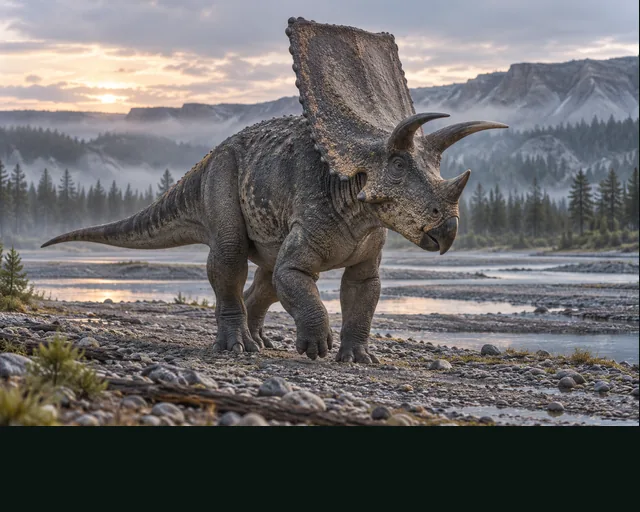
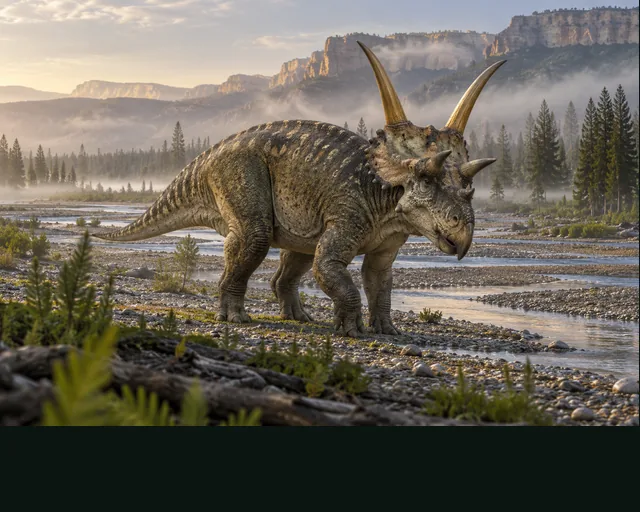
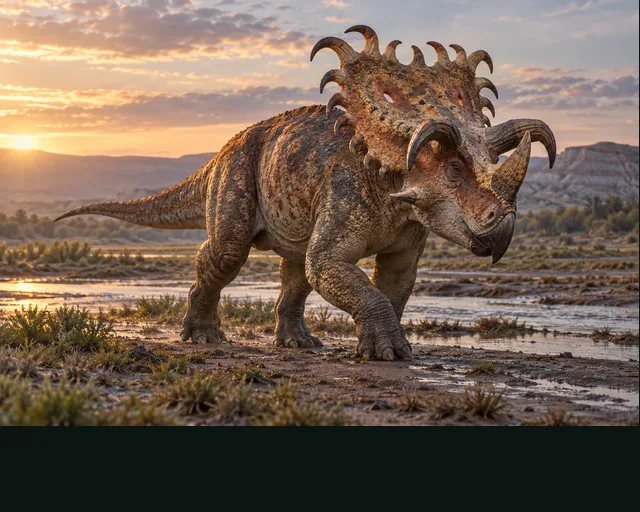
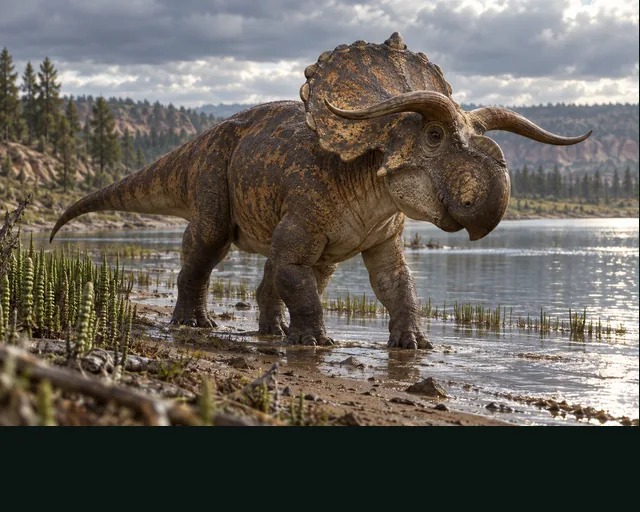
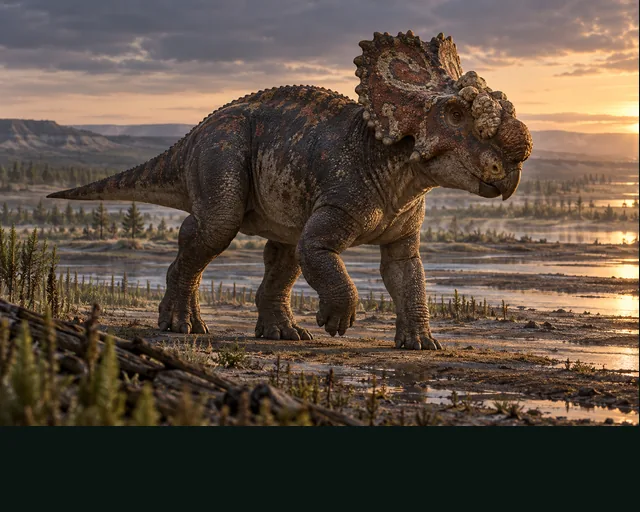
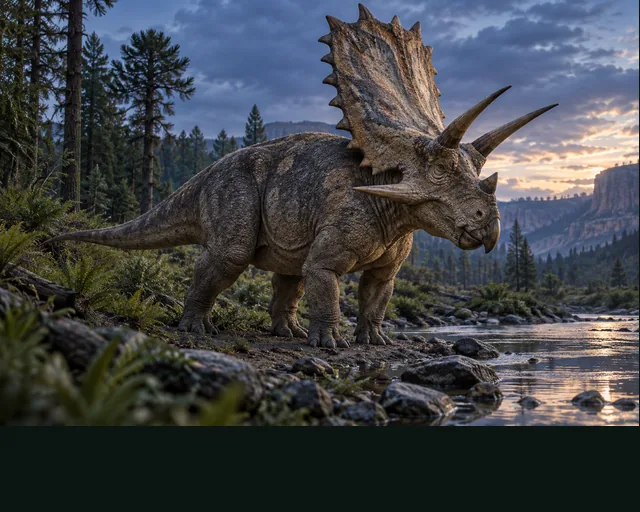
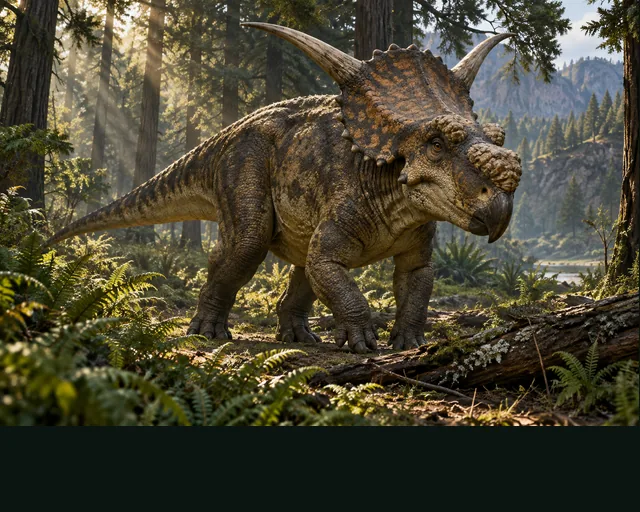
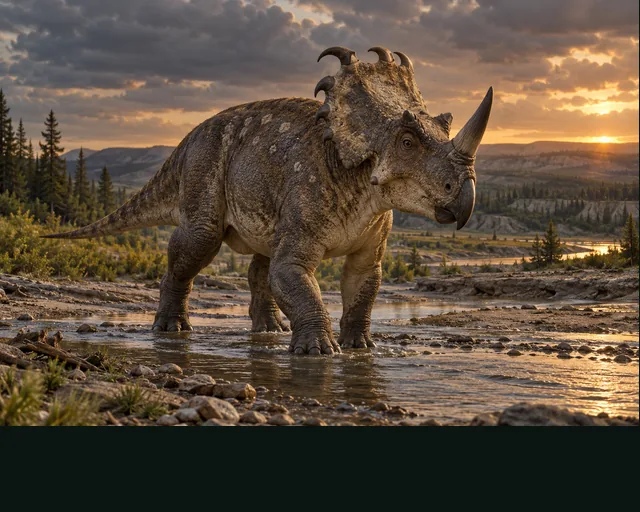
ARTISTIC RECONSTRUCTION

What is Ceratopsidae?

Ceratopsidae is the family of large horned dinosaurs with bony neck frills, known mainly from the Late Cretaceous of western North America. Members divide into two main branches: centrosaurines, which often have a prominent nose horn or bony boss and short brow horns, and chasmosaurines, which usually have longer brow horns and longer frills.

Ceratopsids were plant-eaters with beak-like mouths and tooth batteries that sheared vegetation. The horns and frills probably helped with recognition and display as well as other uses, but fossils cannot settle their exact function, and many skulls change shape as individuals grow.

How this group is defined here

Members are the 8 field notes whose family or immediate parent group in the Paleobiology Database catalogue is Ceratopsidae. The interpreted diet field across the group is herbivore, based on skeletal features rather than direct observation. Groups are revised when new fossils are described, and some genera are placed here with less certainty than others, so each field note records its sources and limits.
Ceratopsidae members

Ceratopsidae member comparison
GenusPeriodFossil locationsCategory
AchelousaurusCretaceousNorth Americadinosaur
CentrosaurusCretaceousNorth Americadinosaur
ChasmosaurusCretaceousNorth Americadinosaur
DiabloceratopsCretaceousNorth Americadinosaur
KosmoceratopsCretaceousNorth Americadinosaur
NasutoceratopsCretaceousNorth Americadinosaur
PachyrhinosaurusCretaceousNorth Americadinosaur
PentaceratopsCretaceousNorth Americadinosaur

Quick answers about Ceratopsidae

Is Achelousaurus a ceratopsid?
Yes. In this catalogue Achelousaurus is placed in Ceratopsidae, with Pachyrhinosaurini as its immediate parent group, and its fossils are from the Cretaceous period. Classification changes as new fossils are described, so the field note lists the sources and any disagreement.
Is Centrosaurus a ceratopsid?
Yes. In this catalogue Centrosaurus is placed in Ceratopsidae, with Centrosaurini as its immediate parent group, and its fossils are from the Cretaceous period. Classification changes as new fossils are described, so the field note lists the sources and any disagreement.
Is Chasmosaurus a ceratopsid?
Yes. In this catalogue Chasmosaurus is placed in Ceratopsidae, with Chasmosaurinae as its immediate parent group, and its fossils are from the Cretaceous period. Classification changes as new fossils are described, so the field note lists the sources and any disagreement.
Is Diabloceratops a ceratopsid?
Yes. In this catalogue Diabloceratops is placed in Ceratopsidae, with Centrosaurinae as its immediate parent group, and its fossils are from the Cretaceous period. Classification changes as new fossils are described, so the field note lists the sources and any disagreement.
Is Kosmoceratops a ceratopsid?
Yes. In this catalogue Kosmoceratops is placed in Ceratopsidae, with Chasmosaurinae as its immediate parent group, and its fossils are from the Cretaceous period. Classification changes as new fossils are described, so the field note lists the sources and any disagreement.
Is Nasutoceratops a ceratopsid?
Yes. In this catalogue Nasutoceratops is placed in Ceratopsidae, with Nasutoceratopsini as its immediate parent group, and its fossils are from the Cretaceous period. Classification changes as new fossils are described, so the field note lists the sources and any disagreement.
Is Pachyrhinosaurus a ceratopsid?
Yes. In this catalogue Pachyrhinosaurus is placed in Ceratopsidae, with Pachyrhinosaurini as its immediate parent group, and its fossils are from the Cretaceous period. Classification changes as new fossils are described, so the field note lists the sources and any disagreement.
Is Pentaceratops a ceratopsid?
Yes. In this catalogue Pentaceratops is placed in Ceratopsidae, with Chasmosaurinae as its immediate parent group, and its fossils are from the Cretaceous period. Classification changes as new fossils are described, so the field note lists the sources and any disagreement.

← All prehistoric life · Source policy