DINOSAUR GROUPS

Tyrannosauridae

7 field notes in this family: Albertosaurus, Alioramus, Daspletosaurus, Gorgosaurus, Qianzhousaurus, Tarbosaurus and Tyrannosaurus.

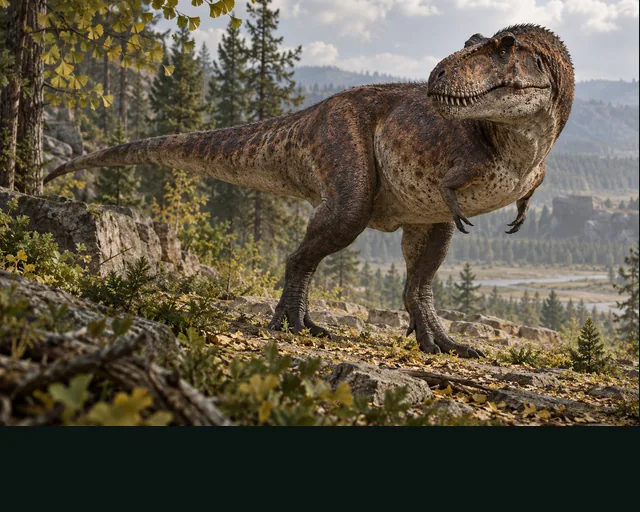
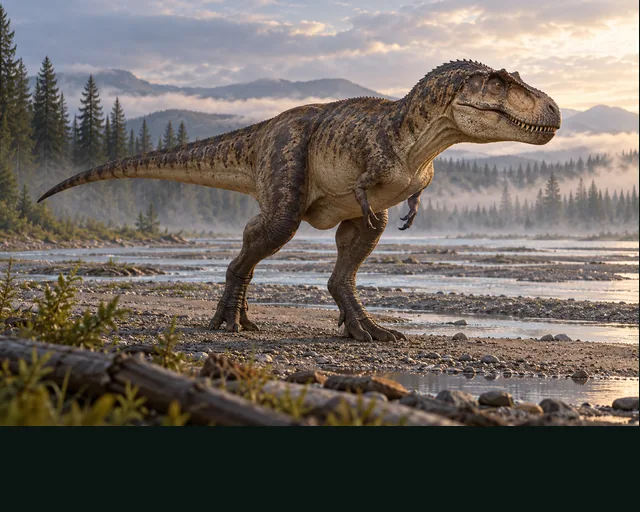
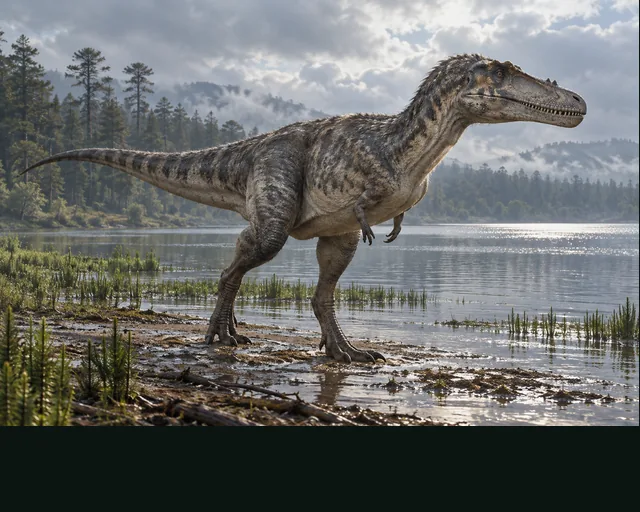
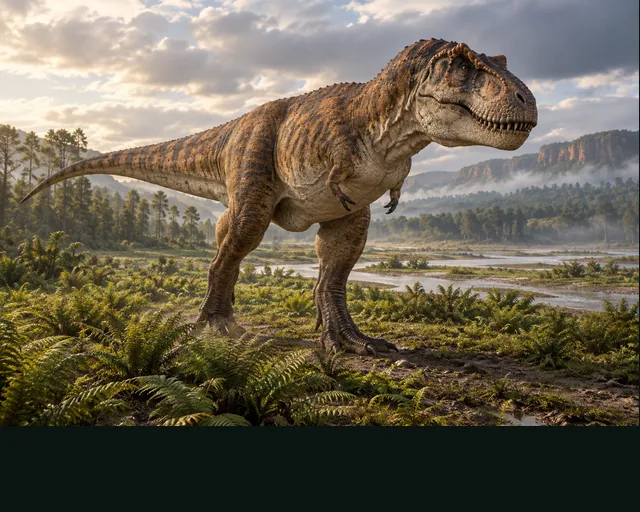
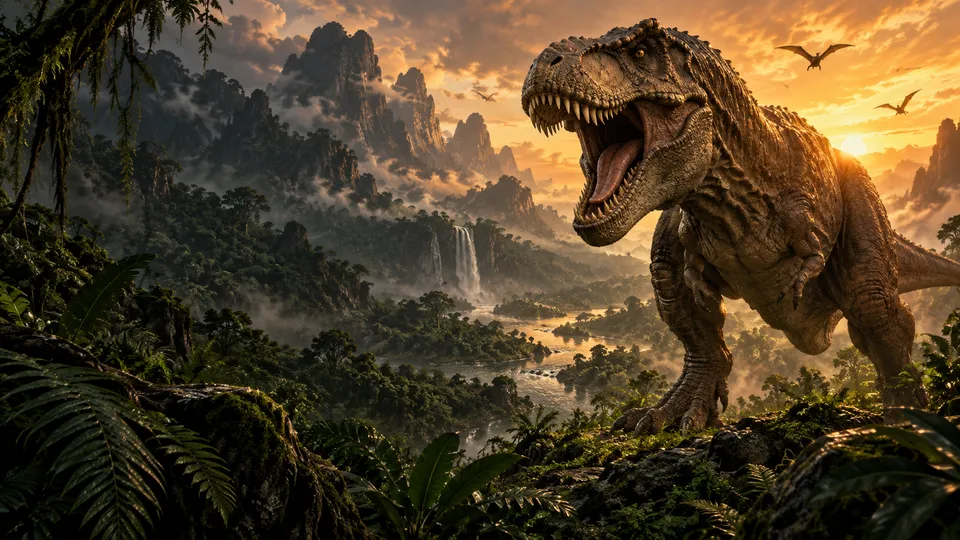
ARTISTIC RECONSTRUCTION

What is Tyrannosauridae?

Tyrannosauridae is the family of large predators that includes Tyrannosaurus. Members lived in Late Cretaceous Asia and North America and share deep skulls, thick teeth, strong jaw muscles and small two-fingered forelimbs. Researchers often separate slender albertosaurines from heavier tyrannosaurines, and some long-snouted forms such as Alioramus and Qianzhousaurus.

Tyrannosaurids are known from many growth stages, which shows that young animals were lighter and more slender than adults. That growth record is a major reason why their size and age estimates are better supported than those of many other giant predators.

How this group is defined here

Members are the 7 field notes whose family or immediate parent group in the Paleobiology Database catalogue is Tyrannosauridae. The interpreted diet field across the group is carnivore, based on skeletal features rather than direct observation. Groups are revised when new fossils are described, and some genera are placed here with less certainty than others, so each field note records its sources and limits.
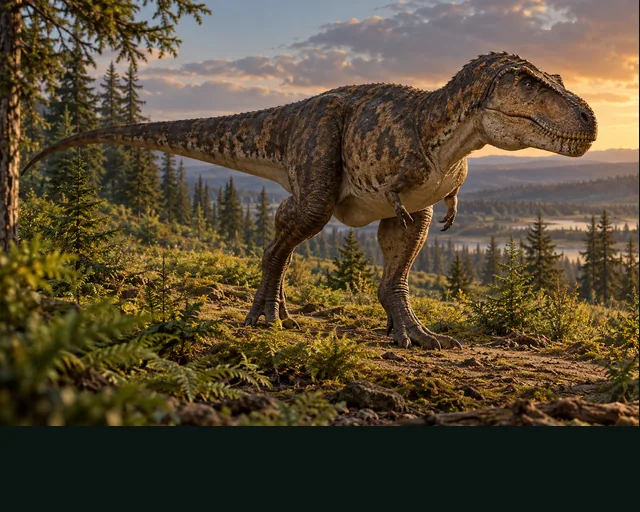
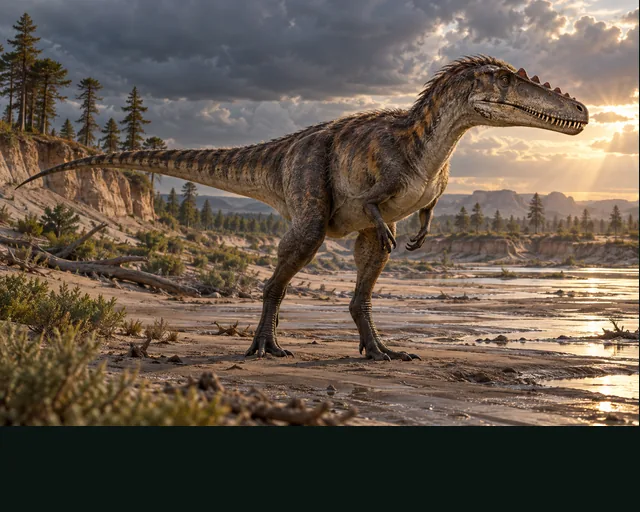
Tyrannosauridae members

Tyrannosauridae member comparison
GenusPeriodFossil locationsCategory
AlbertosaurusCretaceousNorth Americadinosaur
AlioramusCretaceousAsiadinosaur
DaspletosaurusCretaceousSee field notedinosaur
GorgosaurusCretaceousNorth Americadinosaur
QianzhousaurusCretaceousSee field notedinosaur
TarbosaurusCretaceousAsiadinosaur
TyrannosaurusCretaceousNorth Americadinosaur

Quick answers about Tyrannosauridae

Is Albertosaurus a tyrannosaurid?
Yes. In this catalogue Albertosaurus is placed in Tyrannosauridae, with Albertosaurinae as its immediate parent group, and its fossils are from the Cretaceous period. Classification changes as new fossils are described, so the field note lists the sources and any disagreement.
Is Alioramus a tyrannosaurid?
Yes. In this catalogue Alioramus is placed in Tyrannosauridae, with Alioramini as its immediate parent group, and its fossils are from the Cretaceous period. Classification changes as new fossils are described, so the field note lists the sources and any disagreement.
Is Daspletosaurus a tyrannosaurid?
Yes. In this catalogue Daspletosaurus is placed in Tyrannosauridae, with Daspletosaurini as its immediate parent group, and its fossils are from the Cretaceous period. Classification changes as new fossils are described, so the field note lists the sources and any disagreement.
Is Gorgosaurus a tyrannosaurid?
Yes. In this catalogue Gorgosaurus is placed in Tyrannosauridae, with Albertosaurinae as its immediate parent group, and its fossils are from the Cretaceous period. Classification changes as new fossils are described, so the field note lists the sources and any disagreement.
Is Qianzhousaurus a tyrannosaurid?
Yes. In this catalogue Qianzhousaurus is placed in Tyrannosauridae, with Alioramini as its immediate parent group, and its fossils are from the Cretaceous period. Classification changes as new fossils are described, so the field note lists the sources and any disagreement.
Is Tarbosaurus a tyrannosaurid?
Yes. In this catalogue Tarbosaurus is placed in Tyrannosauridae, with Tyrannosaurini as its immediate parent group, and its fossils are from the Cretaceous period. Classification changes as new fossils are described, so the field note lists the sources and any disagreement.
Is Tyrannosaurus a tyrannosaurid?
Yes. In this catalogue Tyrannosaurus is placed in Tyrannosauridae, with Tyrannosaurini as its immediate parent group, and its fossils are from the Cretaceous period. Classification changes as new fossils are described, so the field note lists the sources and any disagreement.

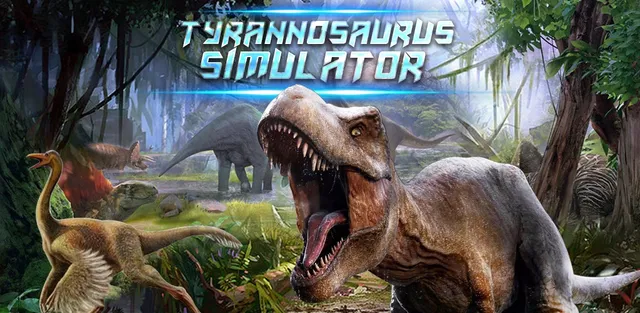
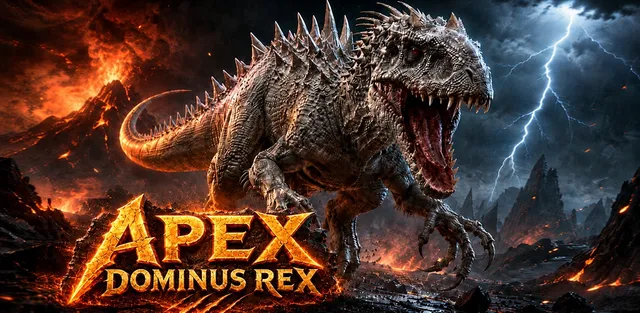
Games with Tyrannosauridae creatures

← All prehistoric life · Source policy