DINOSAUR GROUPS

Tyrannosauroidea

4 field notes in this group: Appalachiosaurus, Dilong, Dryptosaurus and Moros.

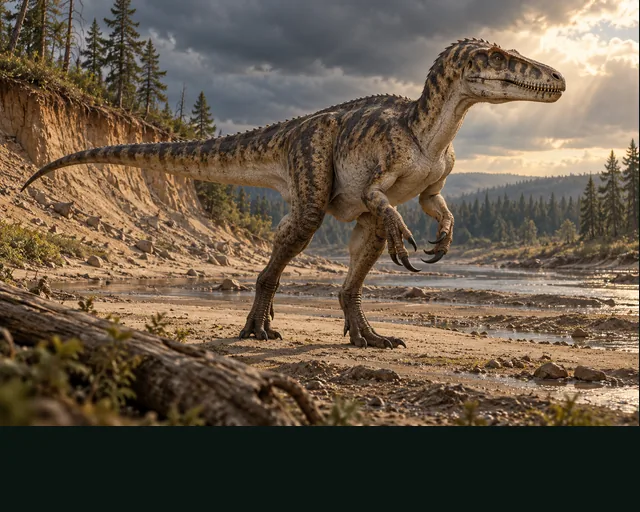
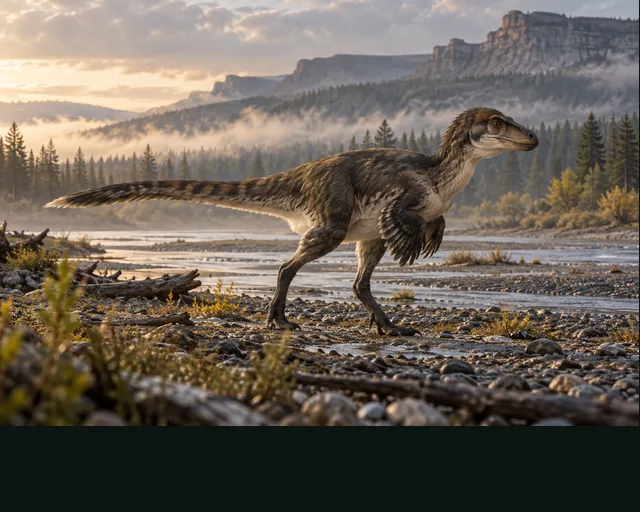
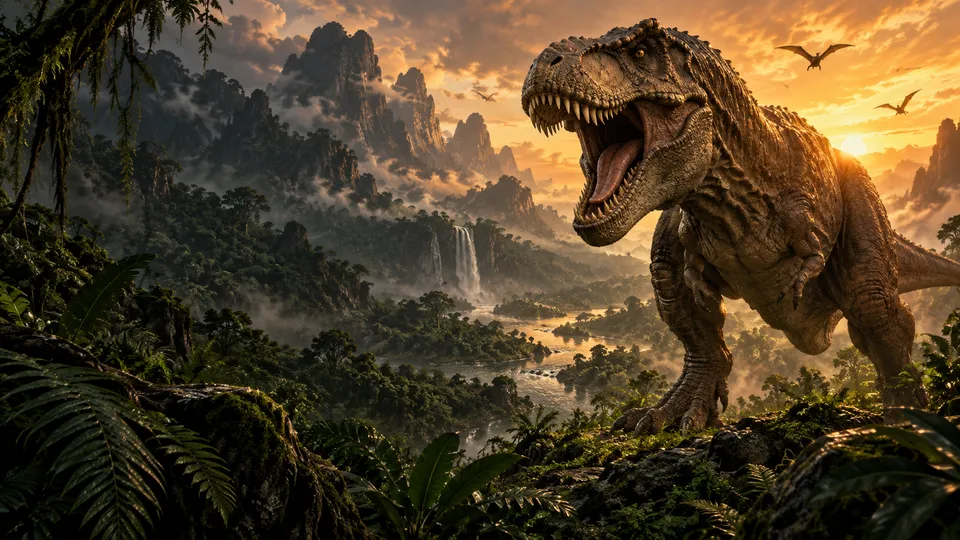
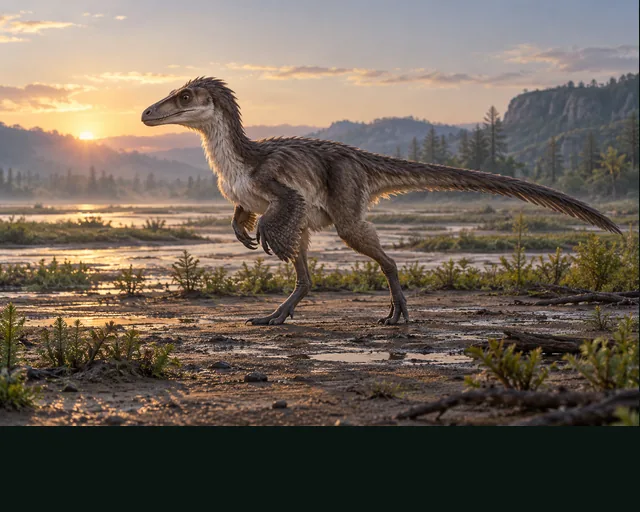
ARTISTIC RECONSTRUCTION

What is Tyrannosauroidea?

Tyrannosauroidea is the wider group that includes the tyrannosaurids and their earlier, usually smaller relatives. Fossils from the Jurassic and Cretaceous of Asia, Europe and North America show that the giant body form arrived late and that early members were lighter animals.

Some small early members, such as Dilong, preserve simple filament-like feathers, which has changed how scientists picture the group. Attributing feathers to the largest tyrannosaurs is more uncertain.

How this group is defined here

Members are the 4 field notes whose family or immediate parent group in the Paleobiology Database catalogue is Tyrannosauroidea. The interpreted diet field across the group is carnivore, based on skeletal features rather than direct observation. Groups are revised when new fossils are described, and some genera are placed here with less certainty than others, so each field note records its sources and limits.
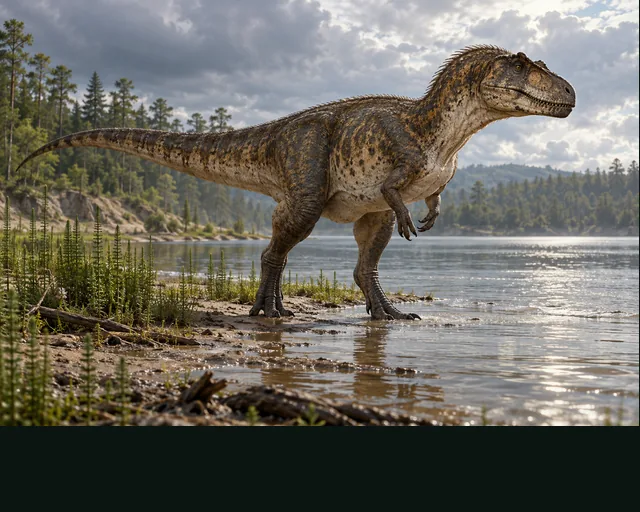
Tyrannosauroidea members

Tyrannosauroidea member comparison
GenusPeriodFossil locationsCategory
AppalachiosaurusCretaceousNorth Americadinosaur
DilongCretaceousAsiadinosaur
DryptosaurusCretaceousNorth Americadinosaur
MorosCretaceousNorth Americadinosaur

Quick answers about Tyrannosauroidea

Is Appalachiosaurus part of Tyrannosauroidea?
Yes. In this catalogue Appalachiosaurus is placed in Tyrannosauroidea, and its fossils are from the Cretaceous period. Classification changes as new fossils are described, so the field note lists the sources and any disagreement.
Is Dilong part of Tyrannosauroidea?
Yes. In this catalogue Dilong is placed in Tyrannosauroidea, and its fossils are from the Cretaceous period. Classification changes as new fossils are described, so the field note lists the sources and any disagreement.
Is Dryptosaurus part of Tyrannosauroidea?
Yes. In this catalogue Dryptosaurus is placed in Tyrannosauroidea, and its fossils are from the Cretaceous period. Classification changes as new fossils are described, so the field note lists the sources and any disagreement.
Is Moros part of Tyrannosauroidea?
Yes. In this catalogue Moros is placed in Tyrannosauroidea, and its fossils are from the Cretaceous period. Classification changes as new fossils are described, so the field note lists the sources and any disagreement.

← All prehistoric life · Source policy