DINOSAUR GROUPS

Troodontidae

5 field notes in this family: Anchiornis, Byronosaurus, Gobivenator, Mei and Saurornithoides.

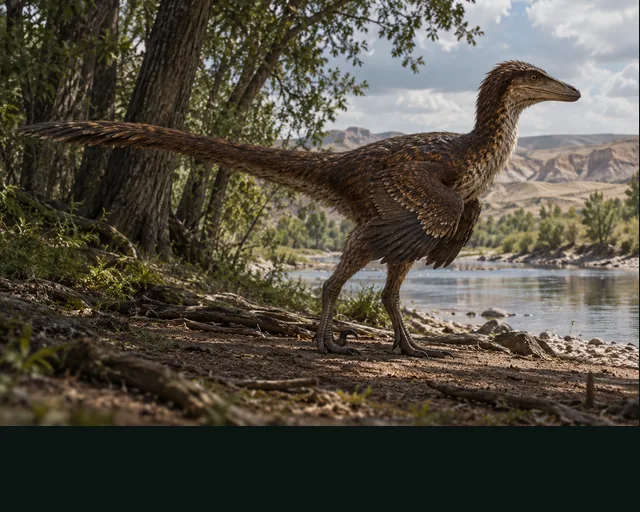
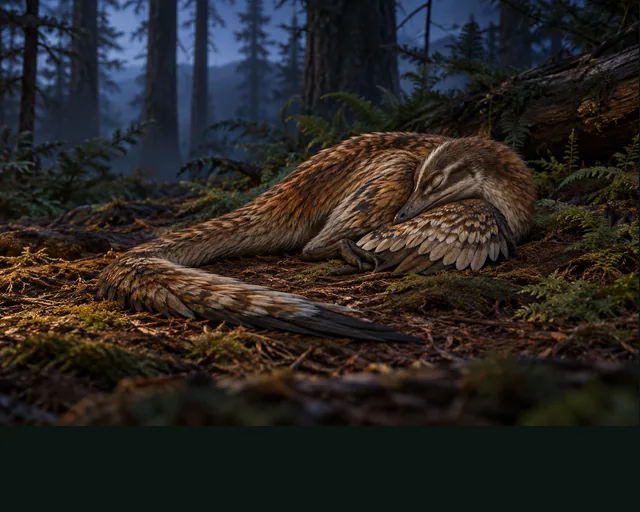
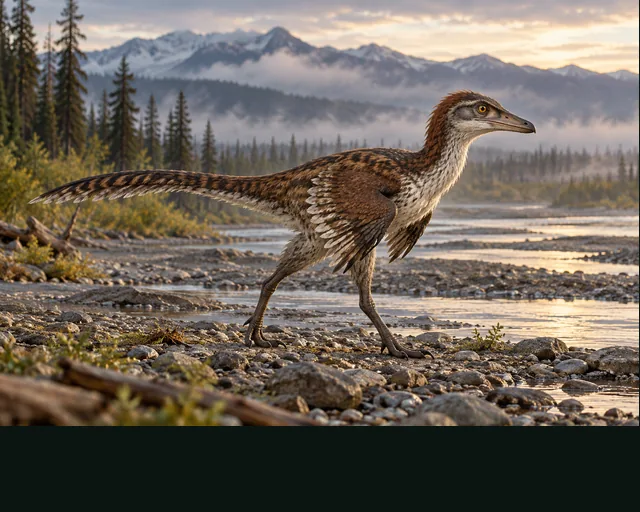
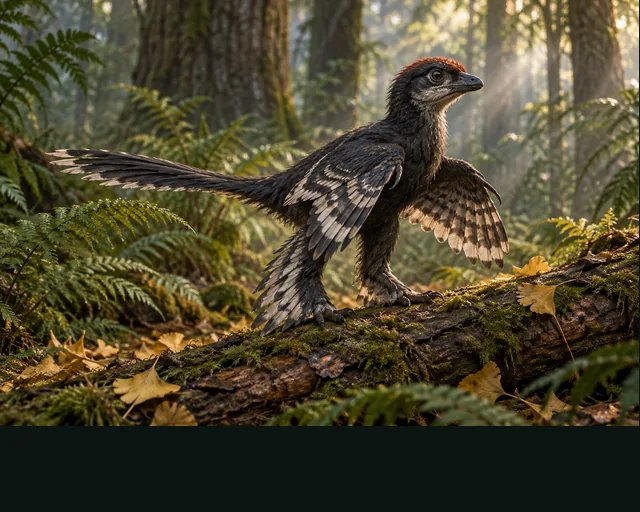
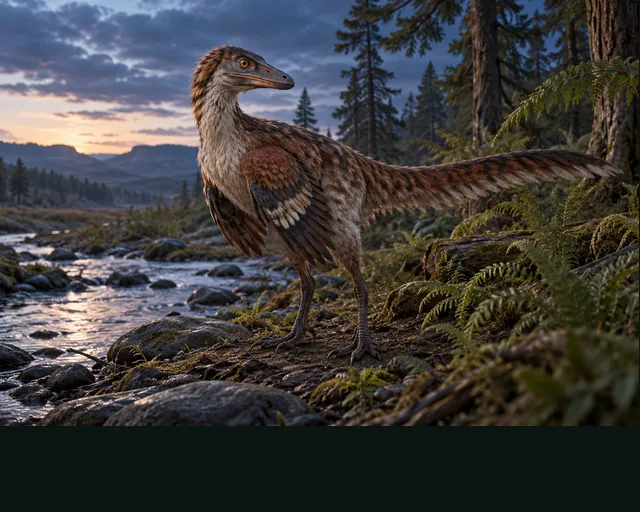
ARTISTIC RECONSTRUCTION

What is Troodontidae?

Troodontidae is a family of slender, long-legged, bird-like theropods with relatively large brains for their body size and large eyes. Members are known from the Jurassic and Cretaceous of Asia and North America.

Exceptionally preserved fossils from China, such as Anchiornis and Mei, show feathers and bird-like postures, which makes the family important for understanding the origin of birds. Many troodontids are known only from fragments, so their diet and behaviour are interpreted from skeletal features.

How this group is defined here

Members are the 5 field notes whose family or immediate parent group in the Paleobiology Database catalogue is Troodontidae. The interpreted diet field across the group is carnivore, based on skeletal features rather than direct observation. Groups are revised when new fossils are described, and some genera are placed here with less certainty than others, so each field note records its sources and limits.
Troodontidae members

Troodontidae member comparison
GenusPeriodFossil locationsCategory
AnchiornisJurassicAsiadinosaur
ByronosaurusCretaceousAsiadinosaur
GobivenatorCretaceousAsiadinosaur
MeiCretaceousAsiadinosaur
SaurornithoidesCretaceousSee field notedinosaur

Quick answers about Troodontidae

Is Anchiornis a troodontid?
Yes. In this catalogue Anchiornis is placed in Troodontidae, and its fossils are from the Jurassic period. Classification changes as new fossils are described, so the field note lists the sources and any disagreement.
Is Byronosaurus a troodontid?
Yes. In this catalogue Byronosaurus is placed in Troodontidae, with Troodontinae as its immediate parent group, and its fossils are from the Cretaceous period. Classification changes as new fossils are described, so the field note lists the sources and any disagreement.
Is Gobivenator a troodontid?
Yes. In this catalogue Gobivenator is placed in Troodontidae, and its fossils are from the Cretaceous period. Classification changes as new fossils are described, so the field note lists the sources and any disagreement.
Is Mei a troodontid?
Yes. In this catalogue Mei is placed in Troodontidae, with Sinovenatorinae as its immediate parent group, and its fossils are from the Cretaceous period. Classification changes as new fossils are described, so the field note lists the sources and any disagreement.
Is Saurornithoides a troodontid?
Yes. In this catalogue Saurornithoides is placed in Troodontidae, with Saurornithoidini as its immediate parent group, and its fossils are from the Cretaceous period. Classification changes as new fossils are described, so the field note lists the sources and any disagreement.

← All prehistoric life · Source policy