Jurassic Dinos editorial · Updated · Source-based review
What was Antarctopelta?
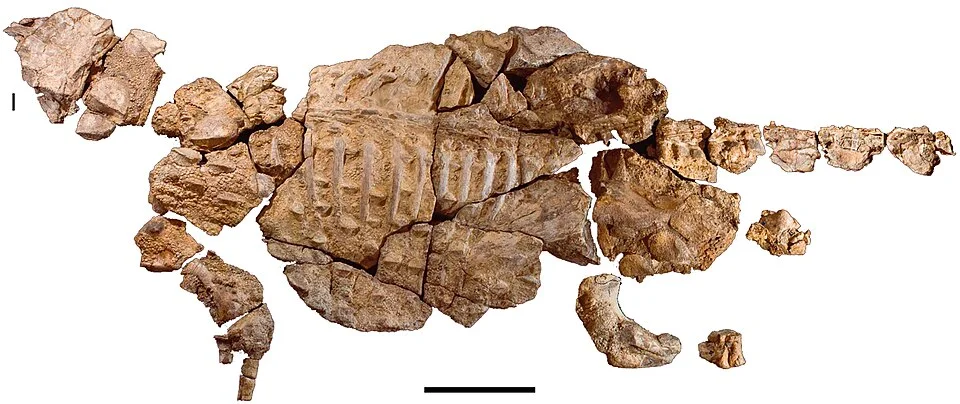
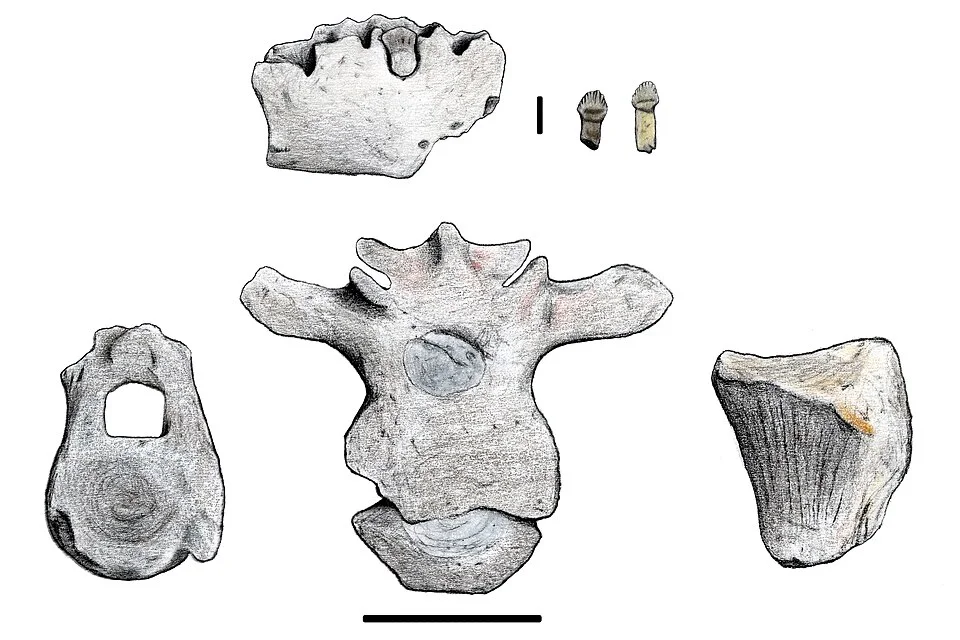
Antarctopelta was an armoured dinosaur from Late Cretaceous Antarctica. Its fragmentary skeleton includes teeth, vertebrae, limb pieces and armour. It shows that southern polar regions supported terrestrial dinosaur communities, while also illustrating the limits imposed by incomplete material.
What makes the fossil distinctive?
The teeth and armour identify a plant-eating armoured dinosaur, but reconstructing the whole body requires comparisons. Armour plates can occur in different positions and shapes on one animal, so isolated pieces should not be arranged into a precise suit without justification. Its relationships within the broader ankylosaur lineage have been reassessed as new southern forms became known.
Where was it found and how was it named?
The fossils were discovered on James Ross Island in 1986 and named in 2006. The genus name combines Antarctica with a word meaning shield. Collecting and preparing Antarctic fossils can span many seasons because weather, remoteness and access constrain fieldwork.
What can we infer, and what remains uncertain?
The surrounding rocks record a marine setting, although Antarctopelta itself was a land animal. Transport after death offers a way to reconcile those observations. Its Antarctic occurrence does not imply survival on today’s ice sheet, and the fossil does not prove a specific winter behaviour. Compare it with Kunbarrasaurus to explore southern armoured dinosaur diversity, keeping anatomical observations separate from broad climate stories.
Was Antarctopelta covered by Antarctic ice in life?
It lived in a very different Cretaceous environment. The modern ice-covered continent is not an accurate backdrop for reconstructing its habitat.
How can you check the evidence?
The Paleobiology Database record catalogues Antarctopelta under Parankylosauria. Its linked bibliography identifies this research starting point: L. Salgado and Z. Gasparini. 2006. Reappraisal of an ankylosaurian dinosaur from the Upper Cretaceous of James Ross Island (Antarctica). Geodiversitas 28(1):119-135. Open the bibliographic record. A catalogue entry establishes the source trail; it does not independently verify every later illustration or behavioural claim.
Use the dated genus overview to follow the references behind the discovery and anatomy discussed above. When sources disagree, compare which specimen and rock layer each author studied. A reconstructed whole animal can combine original bones with comparisons to relatives; those two kinds of evidence should not be confused. The account above explains the particular limits that matter for Antarctopelta, rather than supplying unsupported size, speed or lifespan figures.
Read the image and keep exploring
Drawings of Antarctopelta fossil elements show the fragmentary evidence used to study this Antarctic armoured dinosaur. This diagram explains the stated evidence; schematic elements are not additional fossil observations.
Compare Nodosaurus, Kunbarrasaurus, Ankylosaurus. Find more names in the A index and explore ornithischian field notes. The glossary explains unfamiliar fossil terms.
Quick answers
- Where have Antarctopelta fossils been found?
- The discoveries discussed here come from Antarctica. Modern place names describe discovery locations, not a complete ancient geographic range.
- When did Antarctopelta live?
- It is placed in the Cretaceous period. See the discovery discussion for qualifications about the particular rock layers and dating.
- Where can I compare Antarctopelta with related dinosaurs?
- Follow the related field notes below. Comparisons explain shared anatomy; they do not imply that all the animals lived together.