Jurassic Dinos editorial · Updated · Source-based review
Asylosaurus yalensis is a name proposed for Late Triassic sauropodomorph material from the Bristol area of southwestern England. Its distinction from Thecodontosaurus has subsequently been questioned. This page therefore explains a naming debate rather than adding another securely distinct animal to our dinosaur total.
Why was the name proposed?
The bibliographic record attributes Asylosaurus to Peter Galton’s 2007 study of archosaur remains from the historical Clifton fissure deposit. An important specimen is YPM 2195, including associated shoulder-region and forelimb material. Later researchers discuss the upper arm bone, or humerus, because its features were part of the argument for separating the name.
Associated material is valuable because it can connect parts of one animal. Yet association does not automatically make a proposed genus valid. Researchers must also establish that the anatomical differences are reliable and distinguish it from other named animals.
What did later research question?
Ballell, Rayfield and Benton’s 2020 redescription of Thecodontosaurus examined new material from nearby Tytherington and compared it with other British sauropodomorphs. Their discussion questions the validity of Asylosaurus. Preservation complicates some proposed differences: a damaged or worn feature cannot always be compared as though it were complete.
In his subsequent doctoral thesis, Ballell refers YPM 2195 to Thecodontosaurus again. These are published interpretations of evidence, not a license for this website to declare every taxonomic question permanently settled. We keep the history visible and avoid silently converting the two names into two measured animals.
Does a disputed name become useless?
No. Names can help readers find older publications, museum records and illustrations. The useful question changes from “What unique animal did this name represent?” to “Which material was given this label, and why do researchers disagree?”
A genus is a classification supported by evidence, not a character created by an illustration. If a diagnosis is questioned, the label on an artwork cannot repair that diagnosis. Nor should a website invent a distinctive diet, colour or body size to make an explanation page look like a separate species profile.
How to read the accompanying art
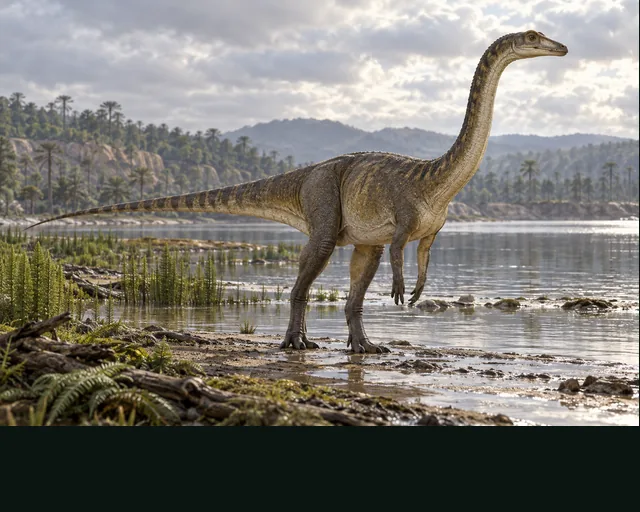
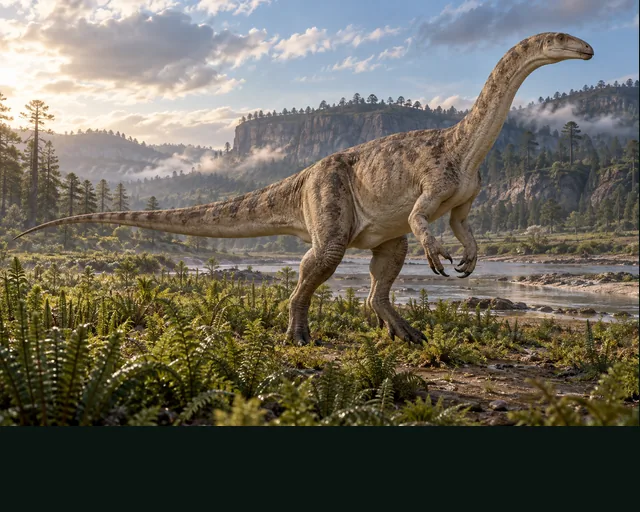
Our image follows Nobu Tamura’s complete restoration specifically labelled Asylosaurus yalensis. Its long rising neck, short grasping forelimbs, long hind legs and curling tail are interpreted artwork. We retain that name context and do not present the picture as evidence of differences from Thecodontosaurus.
Compare Plateosaurus and Massospondylus for other sauropodomorph accounts. Return to the A–Z directory to explore more names while keeping nomenclatural history separate from animal counts.
Quick answers
- Is Asylosaurus securely a separate dinosaur?
- Its distinction from Thecodontosaurus has been questioned. This page explains the disputed name without counting another securely distinct animal.
- What is YPM 2195?
- The specimen includes associated shoulder-region and forelimb material used when Asylosaurus was proposed.
- Was the name introduced in 2007?
- Yes. The bibliographic record attributes Asylosaurus yalensis to Peter Galton’s 2007 study.
- Does a separate picture prove a separate genus?
- No. A reconstruction carrying a name does not settle whether its fossil anatomy supports a distinct genus.