Jurassic Dinos editorial · Updated · Source-based review
What was Arcovenator?
Arcovenator was a meat-eating dinosaur from Late Cretaceous southern France. It belonged to the abelisaurids, a group that also includes Carnotaurus and Majungasaurus. Its name connects the animal with the Arc River area where its remains were discovered.
What makes the fossil distinctive?
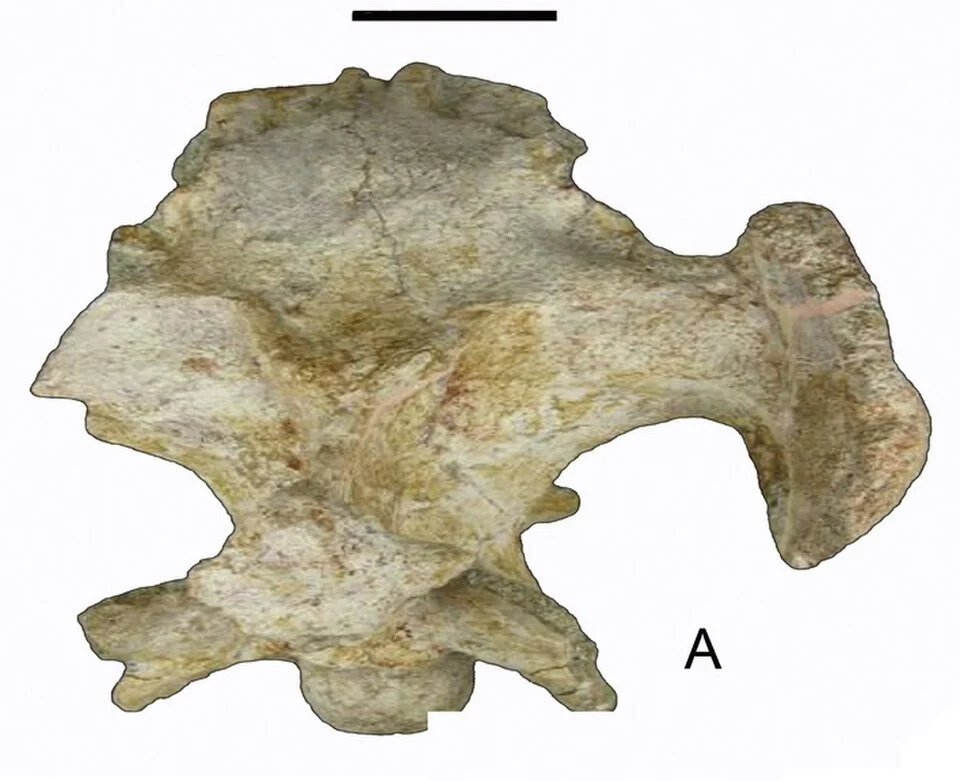
Pieces of the skull and skeleton preserve a heavily built head region. The braincase and bones above the eye are especially valuable for comparison with other abelisaurids. They help researchers recognise a distinctive animal even though a complete skeleton has not been found.
Where was it found and how was it named?
The fossils were recovered during work associated with a road construction project and described as a new genus in 2014. A scientific excavation records the rock layers and positions of bones as well as collecting the bones themselves. That context is essential when deciding which finds can reasonably be discussed together.
What can we infer, and what remains uncertain?
Late Cretaceous Europe was a patchwork of islands. Arcovenator contributes to research on how animals reached those islands, but a family resemblance does not reveal a particular migration route by itself. Sea levels, the ages of rocks and fossils from other places all have to be considered. Its diet is inferred from predatory anatomy; no complete menu survives.
Does a French fossil prove a European origin for its whole family?
No. A fossil records an occurrence. Establishing the origin of a group requires older fossils and a wider evolutionary analysis.
How can you check the evidence?
The Paleobiology Database record catalogues Arcovenator under Majungasaurini. Its linked bibliography identifies this research starting point: T. Tortosa, E. Buffetaut, and N. Vialle, Y. Dutour, E. Turini, G. Cheylan. 2014. A new abelisaurid dinosaur from the Late Cretaceous of southern France: palaeobiogeographical implications. Annales de Paléontologie 100(1):63-86. Open the bibliographic record. A catalogue entry establishes the source trail; it does not independently verify every later illustration or behavioural claim.
Use the dated genus overview to follow the references behind the discovery and anatomy discussed above. When sources disagree, compare which specimen and rock layer each author studied. A reconstructed whole animal can combine original bones with comparisons to relatives; those two kinds of evidence should not be confused. The account above explains the particular limits that matter for Arcovenator, rather than supplying unsupported size, speed or lifespan figures.
Read the image and keep exploring
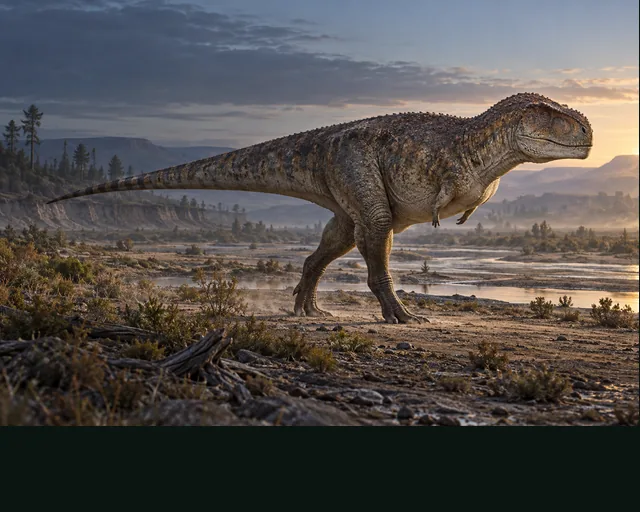
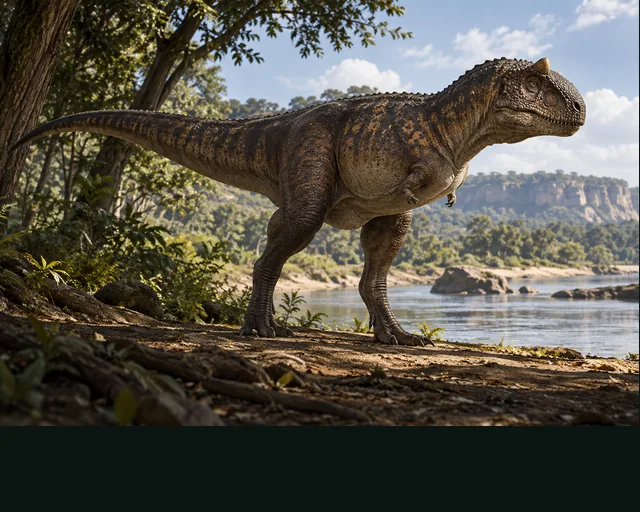
An Arcovenator skull element illustrates the fragmentary cranial evidence used for comparison with other abelisaurids. A displayed specimen or skeletal mount can include restored parts. Its appearance should be read alongside the original specimen description.
Compare Majungasaurus, Carnotaurus, Abelisaurus. Find more names in the A index and explore theropod field notes. The glossary explains unfamiliar fossil terms.
Quick answers
- Where have Arcovenator fossils been found?
- The discoveries discussed here come from France. Modern place names describe discovery locations, not a complete ancient geographic range.
- When did Arcovenator live?
- It is placed in the Cretaceous period. See the discovery discussion for qualifications about the particular rock layers and dating.
- Where can I compare Arcovenator with related dinosaurs?
- Follow the related field notes below. Comparisons explain shared anatomy; they do not imply that all the animals lived together.