Jurassic Dinos editorial · Updated · Source-based review
What was Aragosaurus?
Aragosaurus was a large long-necked dinosaur from the Galve area of Spain. Its partial skeleton is an important part of the European sauropod record near the Jurassic–Cretaceous transition. The available bones document a substantial four-legged plant-eater, while leaving parts of its appearance uncertain.
What makes the fossil distinctive?
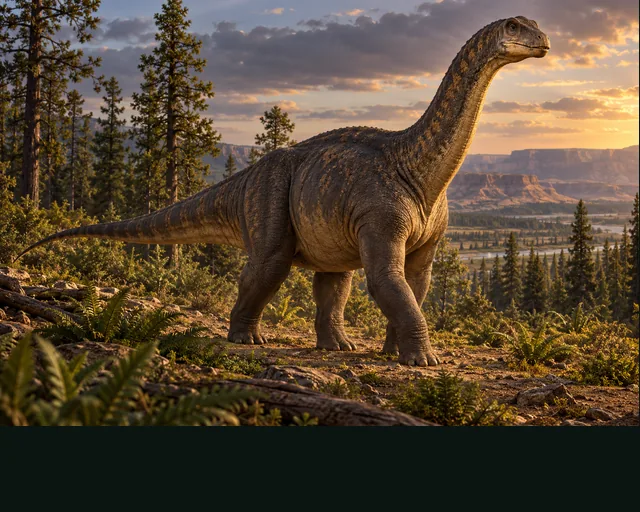
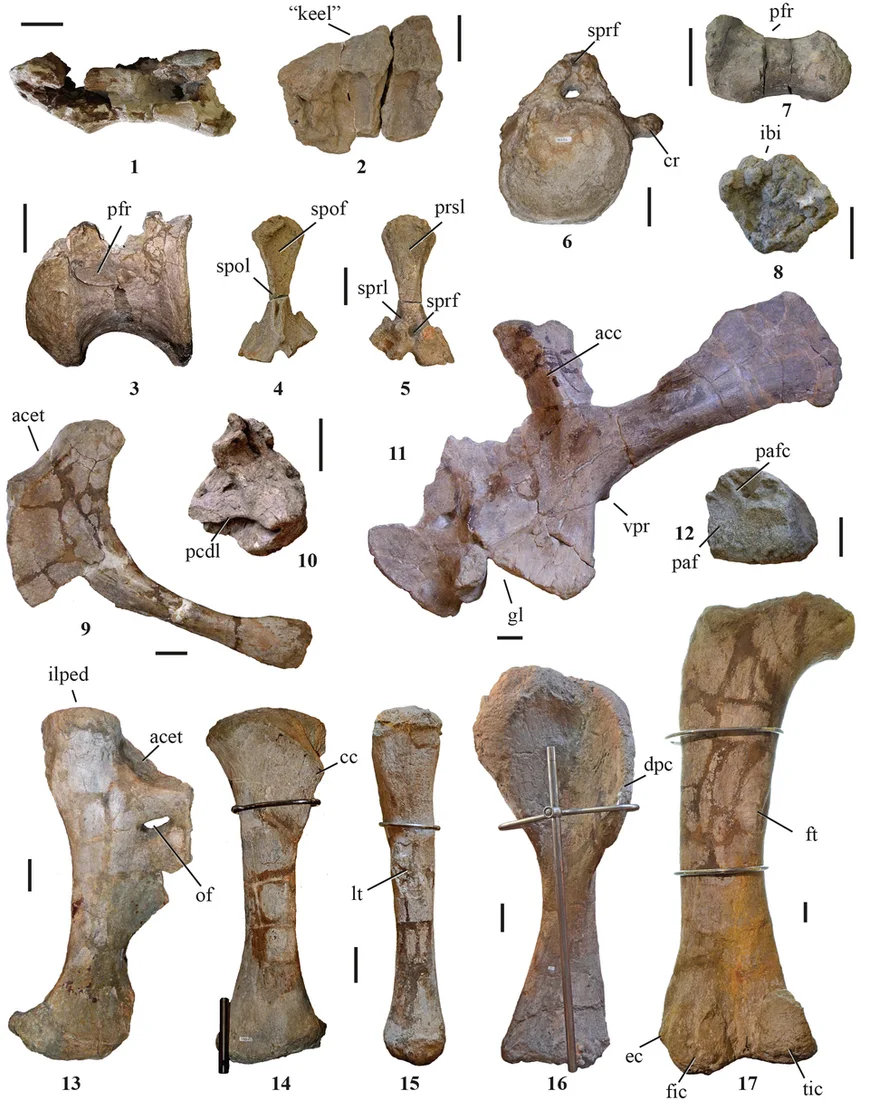
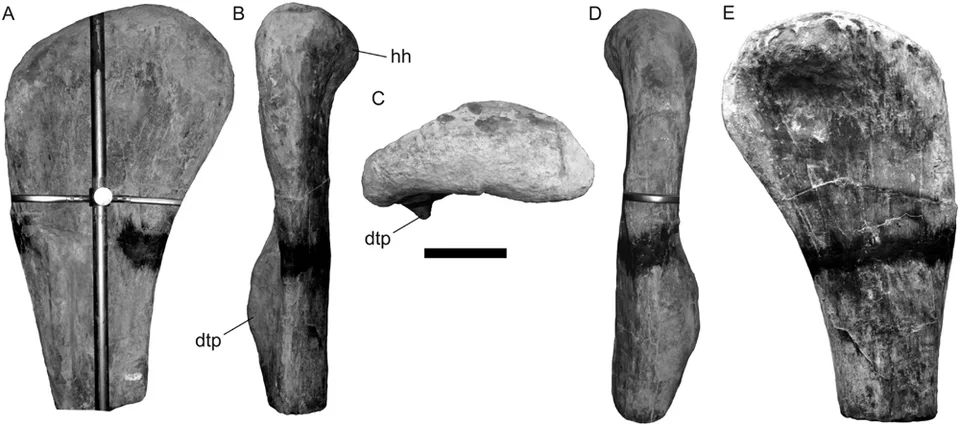
Sauropod identity is clear from the preserved skeletal material, but a complete head and neck should not be assumed to come from this individual. Comparisons with other macronarian sauropods help reconstruct missing anatomy. A restored museum skeleton combines evidence and inference, and those two contributions should be distinguished.
Where was it found and how was it named?
Aragosaurus ischiaticus was named in 1987 by a team of Spanish palaeontologists. The genus honours Aragón, the region where the fossils were found. Geological interpretations of the relevant deposits have been revised, making it important to use a dated stratigraphic account rather than assume that every older published age is still accepted.
What can we infer, and what remains uncertain?
Its value lies partly in placing a sauropod in a specific European setting during a period of changing faunas. Broad numerical size estimates depend on the proportions chosen for missing parts. They should not be treated as direct measurements of a complete animal. Comparison with Camarasaurus is useful for anatomy, but does not show that Aragosaurus shared the same habitat, age or exact feeding choices.
Why do accounts sometimes differ about its age?
Dating a fossil depends on understanding the rock layer and its correlation with other sites. Revised stratigraphy can change the age assigned to material without changing the fossil itself.
How can you check the evidence?
The Paleobiology Database record catalogues Aragosaurus under Macronaria. Its linked bibliography identifies this research starting point: J. L. Sanz, A. D. Buscalioni, and M.-L. Casanovas, J.-V. Santafé. 1987. Dinosaurios del Cretácico inferior de Galve (Teruel, España) [Dinosaurs from the Lower Cretaceous of Galve (Teruel, Spain)]. Estudios Geologicos, Volumen Extraordinario Galve-Tremp. Open the bibliographic record. A catalogue entry establishes the source trail; it does not independently verify every later illustration or behavioural claim.
Use the dated genus overview to follow the references behind the discovery and anatomy discussed above. When sources disagree, compare which specimen and rock layer each author studied. A reconstructed whole animal can combine original bones with comparisons to relatives; those two kinds of evidence should not be confused. The account above explains the particular limits that matter for Aragosaurus, rather than supplying unsupported size, speed or lifespan figures.
Read the image and keep exploring
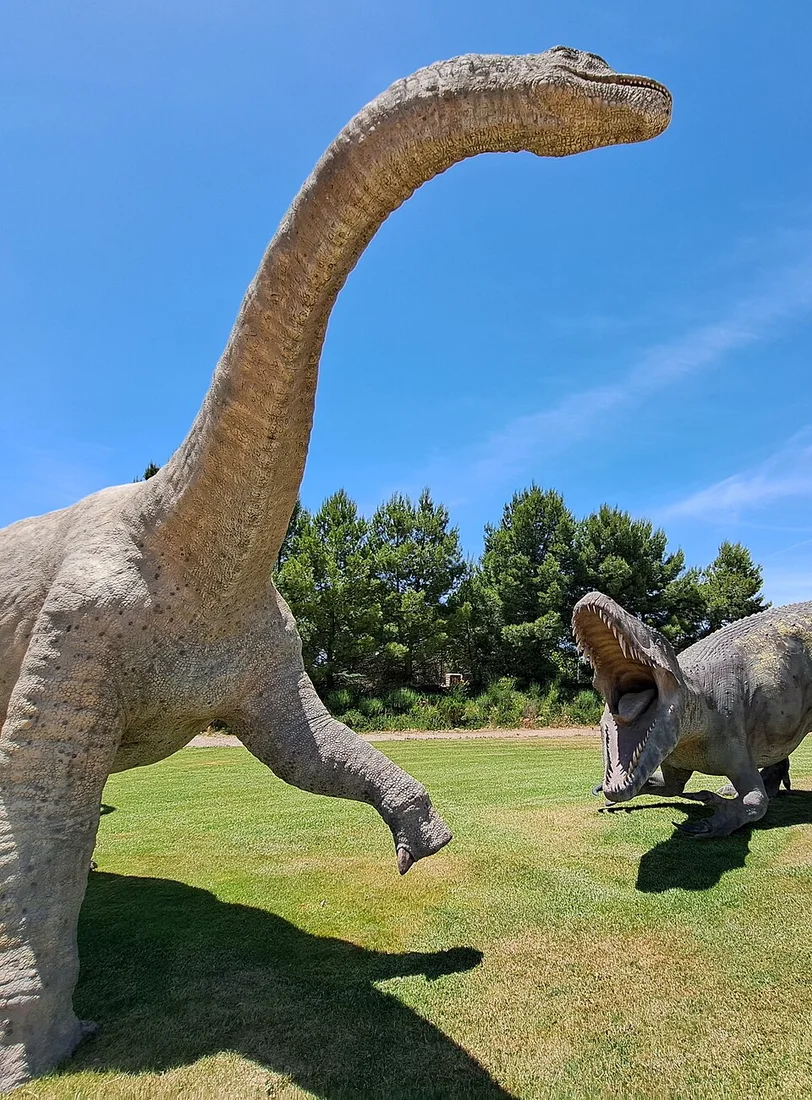
The foreground Aragosaurus model at Dinópolis presents an artistic sauropod reconstruction; the background predator is a separate model. This is an artistic reconstruction: colours, soft tissues and missing anatomy include interpretation, not a photograph of a living dinosaur.
Compare Camarasaurus, Lusotitan, Lourinhasaurus. Find more names in the A index and explore sauropodomorph field notes. The glossary explains unfamiliar fossil terms.
Quick answers
- Where have Aragosaurus fossils been found?
- The discoveries discussed here come from Spain. Modern place names describe discovery locations, not a complete ancient geographic range.
- When did Aragosaurus live?
- It is placed in the Cretaceous period. See the discovery discussion for qualifications about the particular rock layers and dating.
- Where can I compare Aragosaurus with related dinosaurs?
- Follow the related field notes below. Comparisons explain shared anatomy; they do not imply that all the animals lived together.
.jpg)