DINOSAUR GROUPS

Dicraeosaurinae

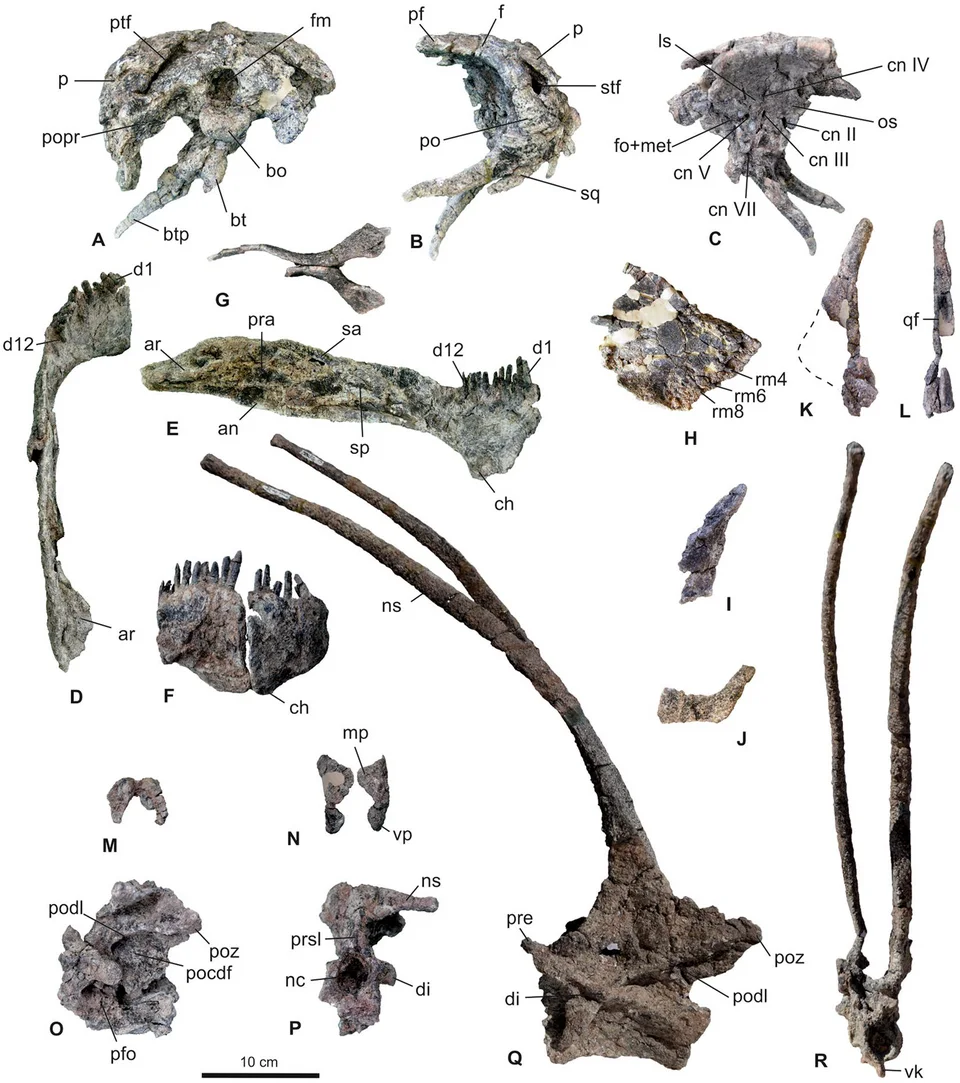
3 field notes in this subfamily: Amargasaurus, Bajadasaurus and Dicraeosaurus.

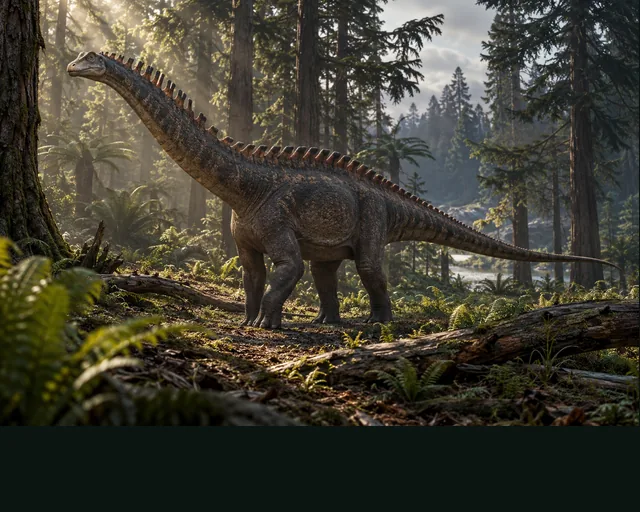
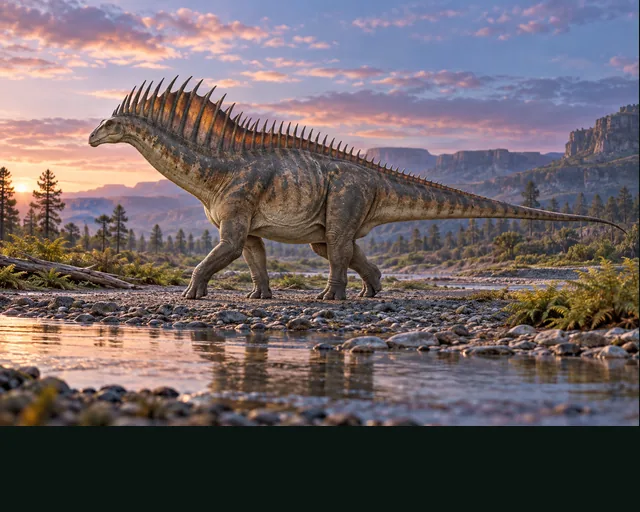
ARTISTIC RECONSTRUCTION

What is Dicraeosaurinae?

Dicraeosaurinae is a subfamily of prehistoric animals used in this catalogue to connect related field notes. Amargasaurus, Bajadasaurus and Dicraeosaurus share this grouping, and their fossils come from the Cretaceous and Jurassic periods, with finds reported from South America and Africa. The shared grouping is a starting point for comparison rather than proof of identical lifestyles.

How this group is defined here

Members are the 3 field notes whose family or immediate parent group in the Paleobiology Database catalogue is Dicraeosaurinae. The interpreted diet field across the group is herbivore, based on skeletal features rather than direct observation. Groups are revised when new fossils are described, and some genera are placed here with less certainty than others, so each field note records its sources and limits.
Dicraeosaurinae members

Dicraeosaurinae member comparison
GenusPeriodFossil locationsCategory
AmargasaurusCretaceousSouth Americadinosaur
BajadasaurusCretaceousSouth Americadinosaur
DicraeosaurusJurassicAfricadinosaur

Quick answers about Dicraeosaurinae

Is Amargasaurus part of Dicraeosaurinae?
Yes. In this catalogue Amargasaurus is placed in Dicraeosaurinae, and its fossils are from the Cretaceous period. Classification changes as new fossils are described, so the field note lists the sources and any disagreement.
Is Bajadasaurus part of Dicraeosaurinae?
Yes. In this catalogue Bajadasaurus is placed in Dicraeosaurinae, and its fossils are from the Cretaceous period. Classification changes as new fossils are described, so the field note lists the sources and any disagreement.
Is Dicraeosaurus part of Dicraeosaurinae?
Yes. In this catalogue Dicraeosaurus is placed in Dicraeosaurinae, and its fossils are from the Jurassic period. Classification changes as new fossils are described, so the field note lists the sources and any disagreement.

← All prehistoric life · Source policy