Jurassic Dinos editorial · 11 October 2026
A sea full of different stories
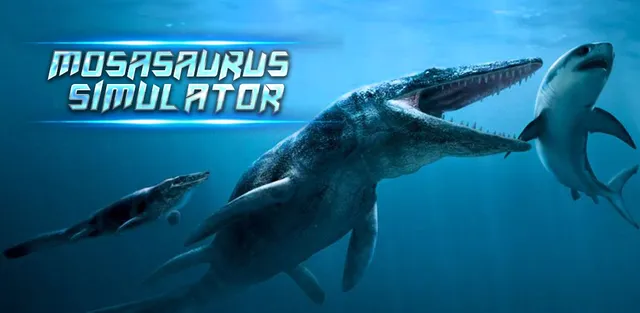
An underwater game can bring many creatures into one memorable scene. Scientific classification tells a more detailed story. Some animals were reptiles, others were fish, and others were invertebrates. Swimming in the same setting does not make them close relatives, and being prehistoric does not make them dinosaurs.
Mosasaurus was a marine squamate, part of the broader reptile branch that includes lizards and snakes. Ichthyosaurus belonged to a different marine reptile lineage. Plesiosaurus belonged to another. Archelon was a sea turtle. Their aquatic adaptations developed within different evolutionary groups.
Similar shapes can have different origins
A streamlined body helps an animal move through water. Unrelated animals can arrive at superficially similar shapes when they face similar physical demands. An ichthyosaur may remind you of a dolphin, but a dolphin is a mammal. That visual resemblance is a starting point for a question, rather than proof of close ancestry.
Look beyond the outline. Fossil skulls, limbs, vertebrae and other structures help researchers work out relationships. Reconstructed colors and game animations can be engaging, but they are not the same kind of evidence.
Sharks and shells belong elsewhere
Megalodon is commonly associated with the species Otodus megalodon. It was a shark, not a marine reptile. Shark teeth often survive better in the fossil record than their cartilaginous bodies. Reconstructing a whole animal from limited material requires comparisons and assumptions, which is one reason size estimates need qualification.
Cameroceras was a cephalopod, an invertebrate with a shell. Dunkleosteus was an armored fish. These creatures represent much earlier chapters of prehistoric life than many familiar dinosaurs. A game can combine those chapters for entertainment without establishing that the animals actually shared an ecosystem.
Explore a game as its own world
Read the current game’s instructions before assuming movement works like a land-based simulator. Check how turning, vertical movement and camera control are represented. Start with a small area and learn its feedback before attempting more complicated routes or encounters. This is general guidance; the exact controls depend on the game and installed version.
For download links, official screenshots, age ratings and store notes, use each game’s detail page. The store is the source for current device compatibility and availability.
A useful question after playing
Ask “What kind of animal was that?” before asking “How big was it?” An evolutionary group, a time period and a source link often teach more than an unsupported size ranking. Browse creatures that were not dinosaurs to continue exploring.